


Search by saved conditions

ISSEY MIYAKEWhat Is 3D Steam Stretch?
Features and Differences from Traditional Pleats
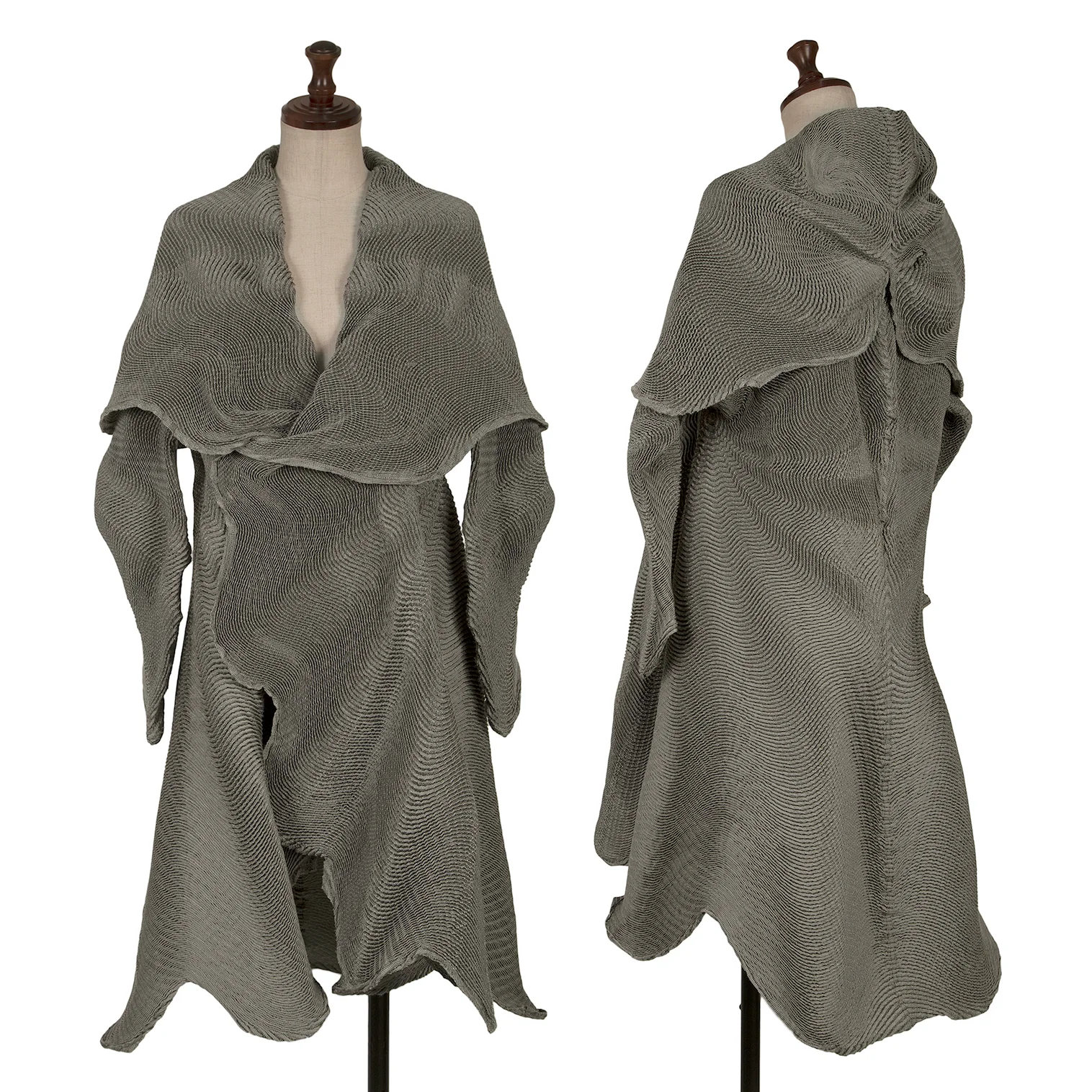
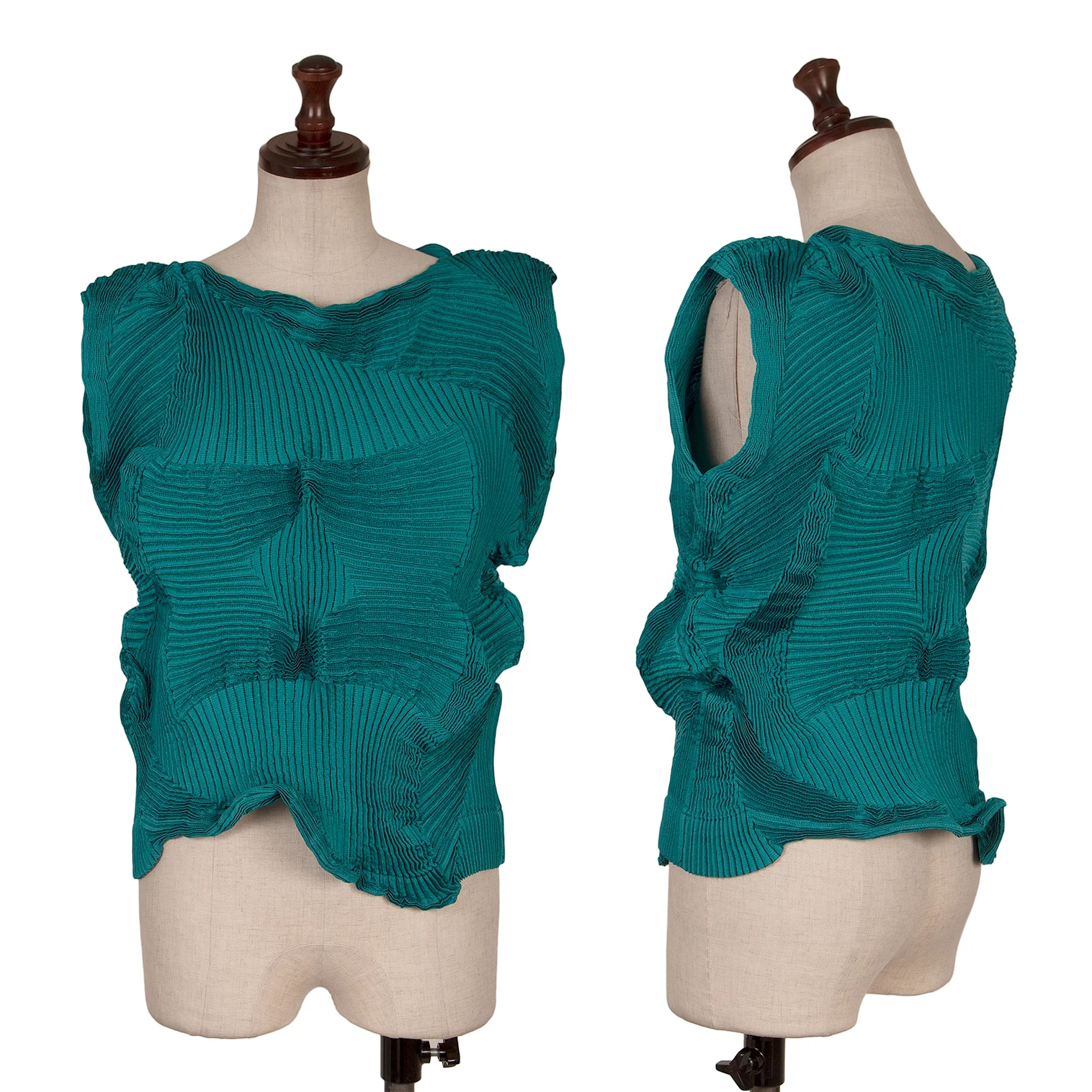
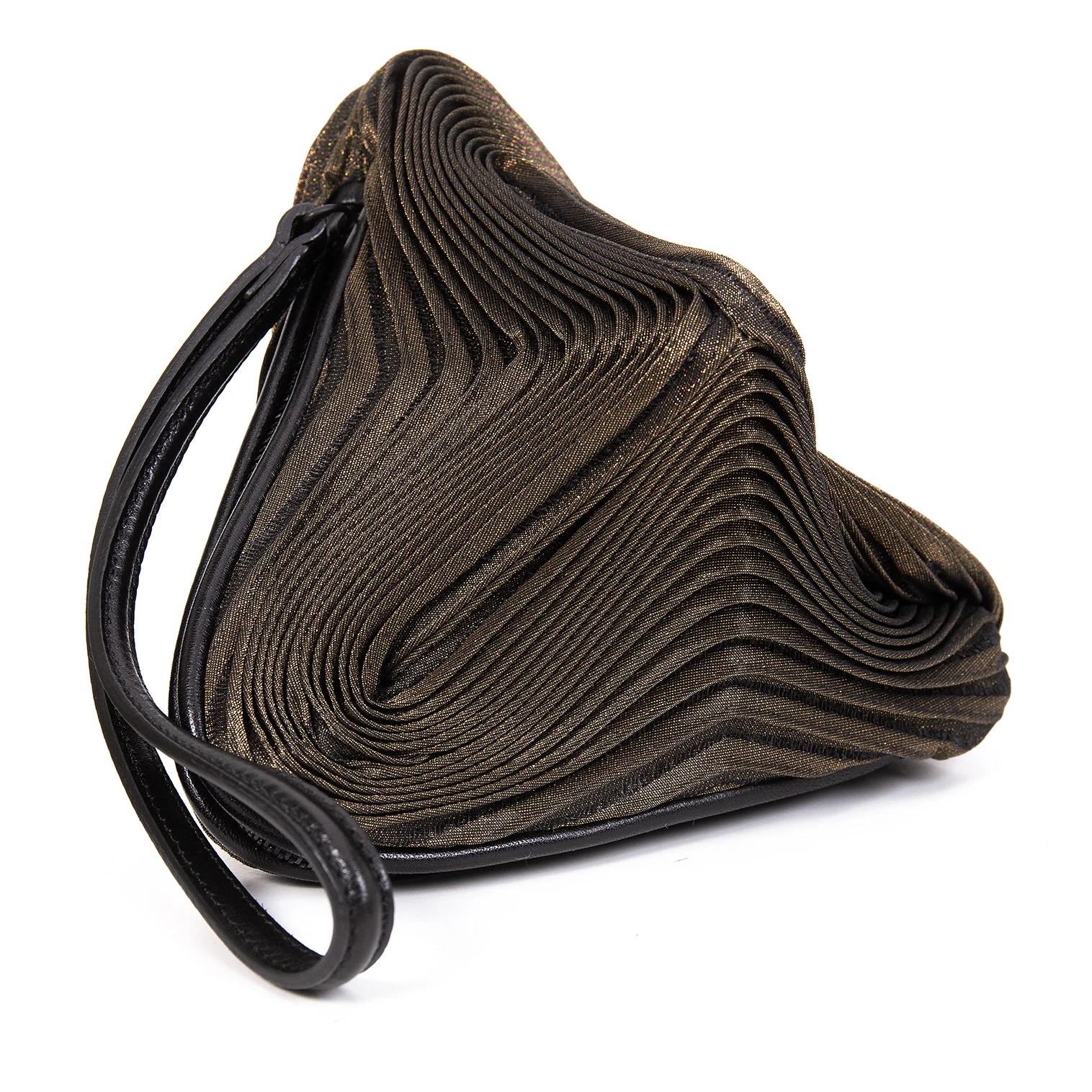
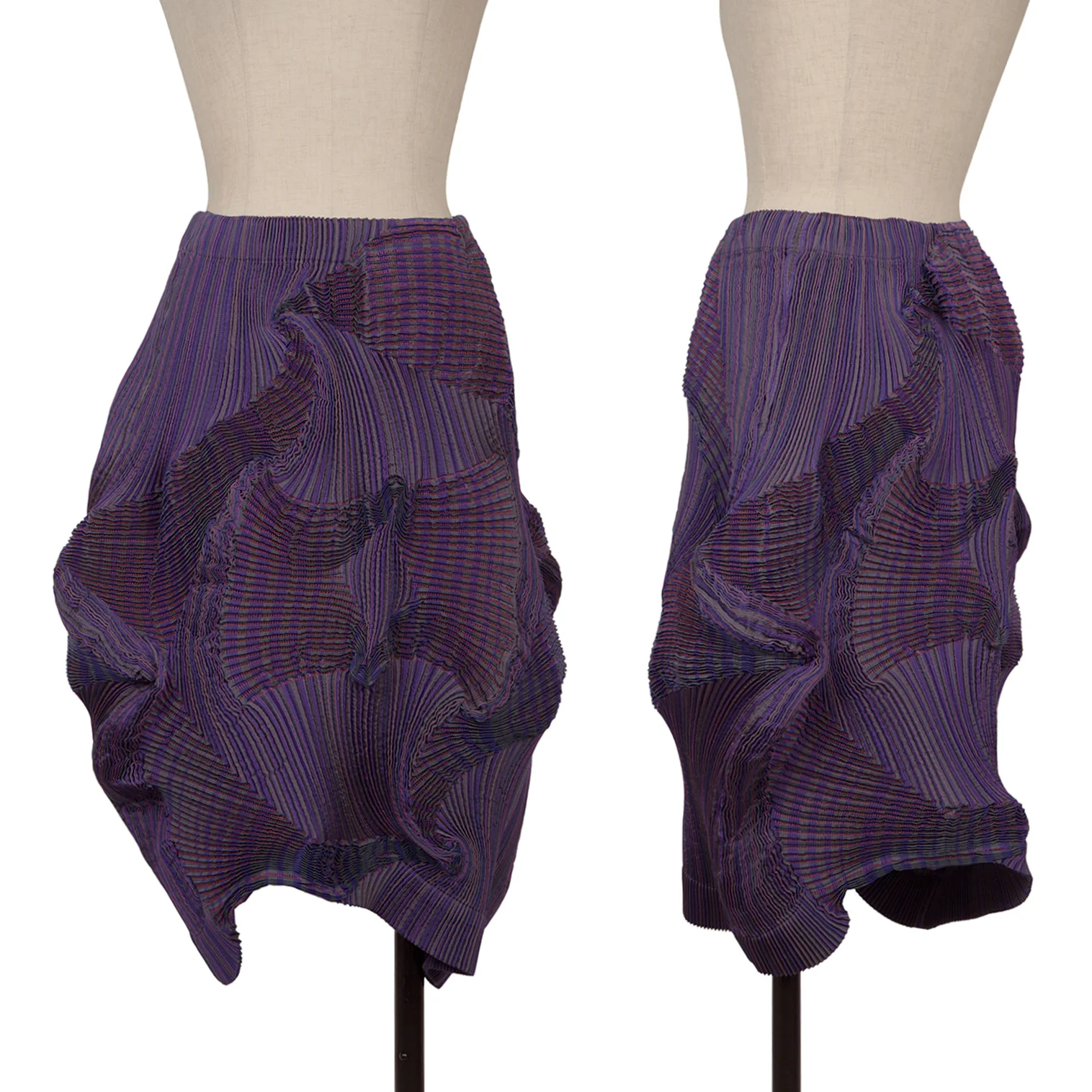
Issey Miyake's 3D Steam Stretch is an innovative textile technology that transforms flat fabric into sculptural three-dimensional forms using heat and steam. Unlike traditional pleating, which is applied after a garment is sewn, Steam Stretch uses specially engineered woven fabric that naturally transforms into a three-dimensional shape through controlled shrinkage during the steaming process.
Its distinctive sculptural forms and voluminous silhouettes have made it highly regarded by collectors and designer fashion enthusiasts around the world.
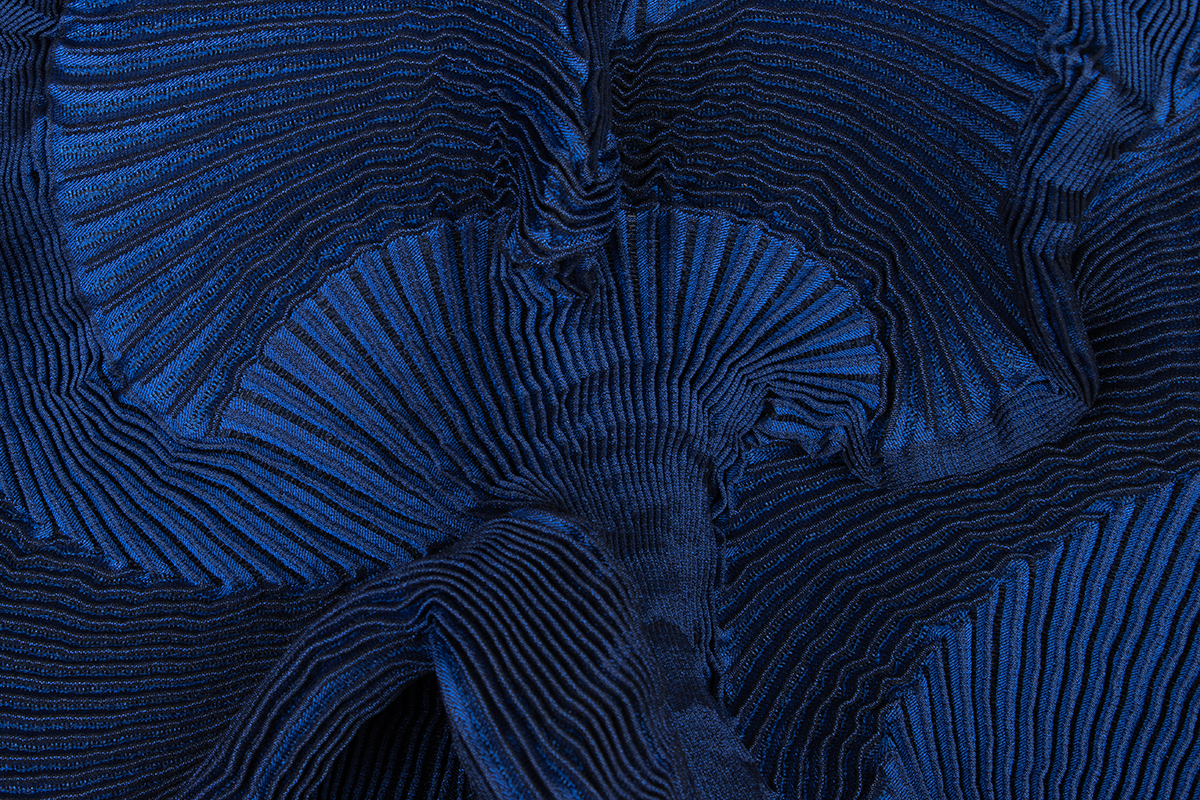
How Was 3D Steam Stretch Developed?
In 2013, then ISSEY MIYAKE designer Yoshiyuki Miyamae began exploring new ways to create pleats beyond conventional techniques. Inspired by the Computational Origami exhibition at the University of Tokyo, he explored how folded structures could be expressed through textile design. This research eventually led to the development of Steam Stretch.
Source: Episode 13 / Unfolded by Folds: Four-Dimensional Technology and Design


What Is the Difference Between 3D Steam Stretch and Traditional Pleats?
Although it may resemble PLEATS PLEASE at first glance, the technologies are fundamentally different.
Traditional pleated garments achieve their shape by heat-setting pleats after the garment is sewn. In contrast, 3D Steam Stretch creates sculptural, architectural forms by allowing specially engineered woven fabric to transform naturally with heat and steam.
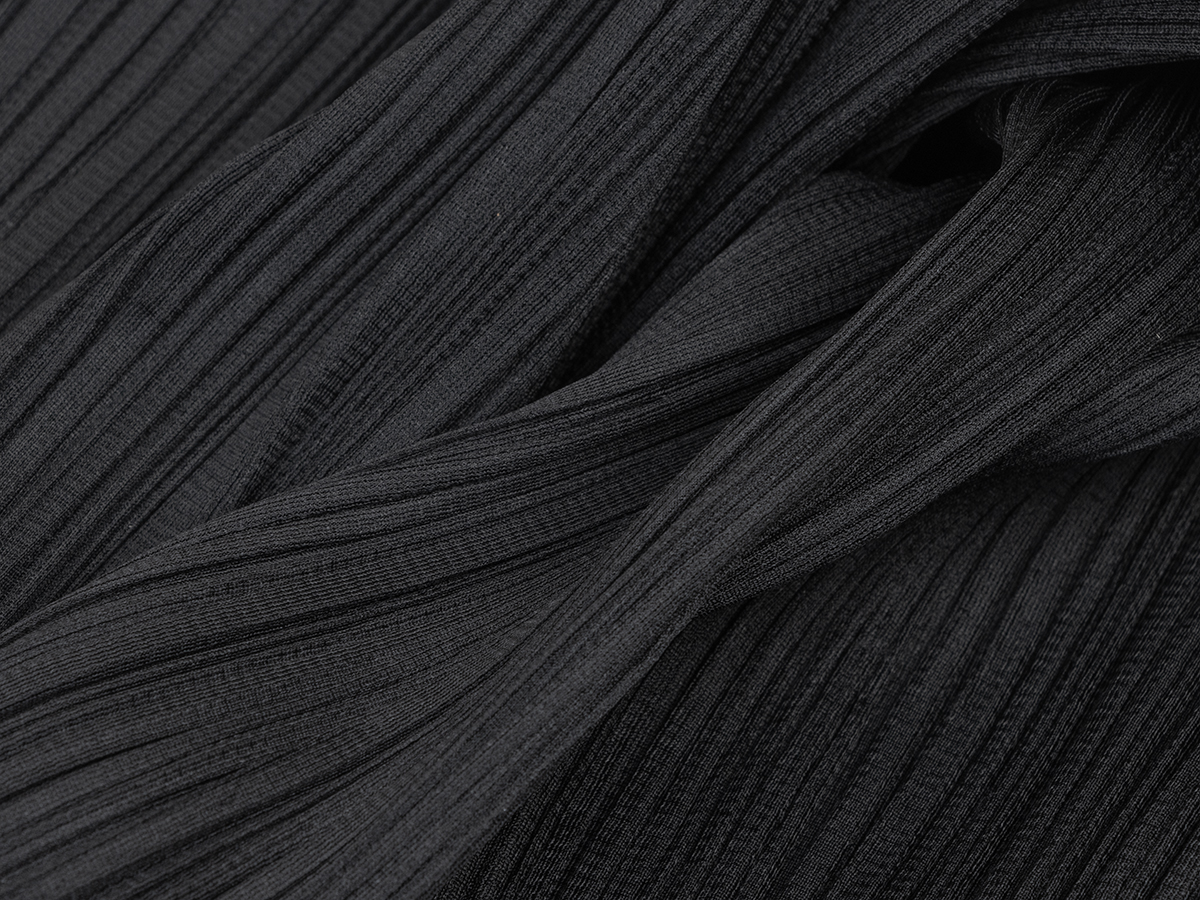
Traditional Pleats
- When the shape is madeAfter the garment is sewn
- How the shape is madePleats are heat-set into the finished garment
- ResultRegular, repeating pleated surfaces
3D Steam Stretch
- When the shape is madeDuring the steaming process
- How the shape is madeSpecially engineered woven fabric transforms naturally through controlled shrinkage with heat and steam
- ResultSculptural, architectural three-dimensional forms

FOLLOW US ON


SHIPPING
 FAQs
FAQs
 CONTACT US